

bathroom privacy glass
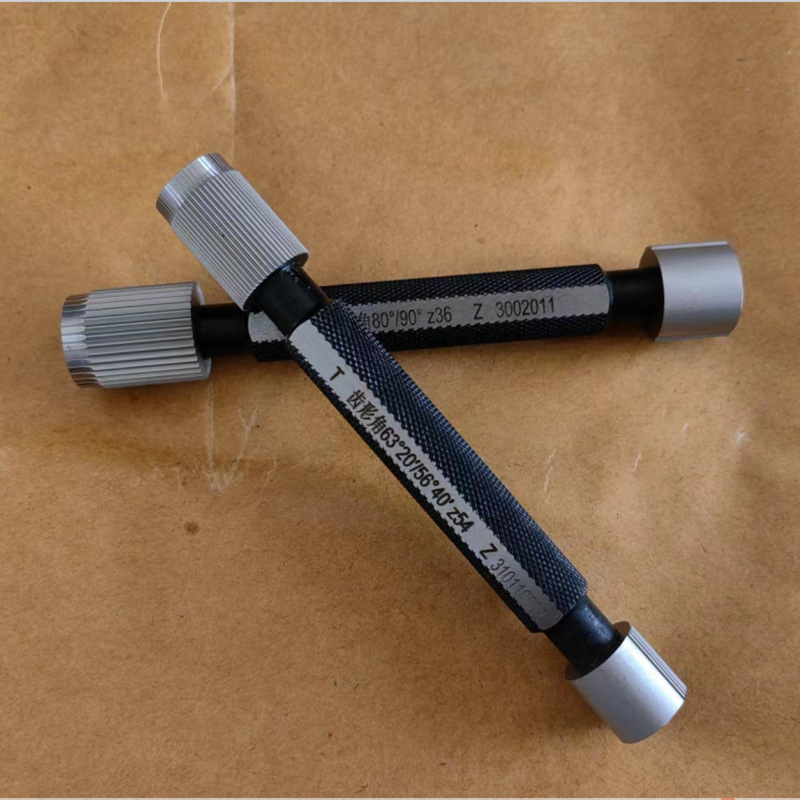
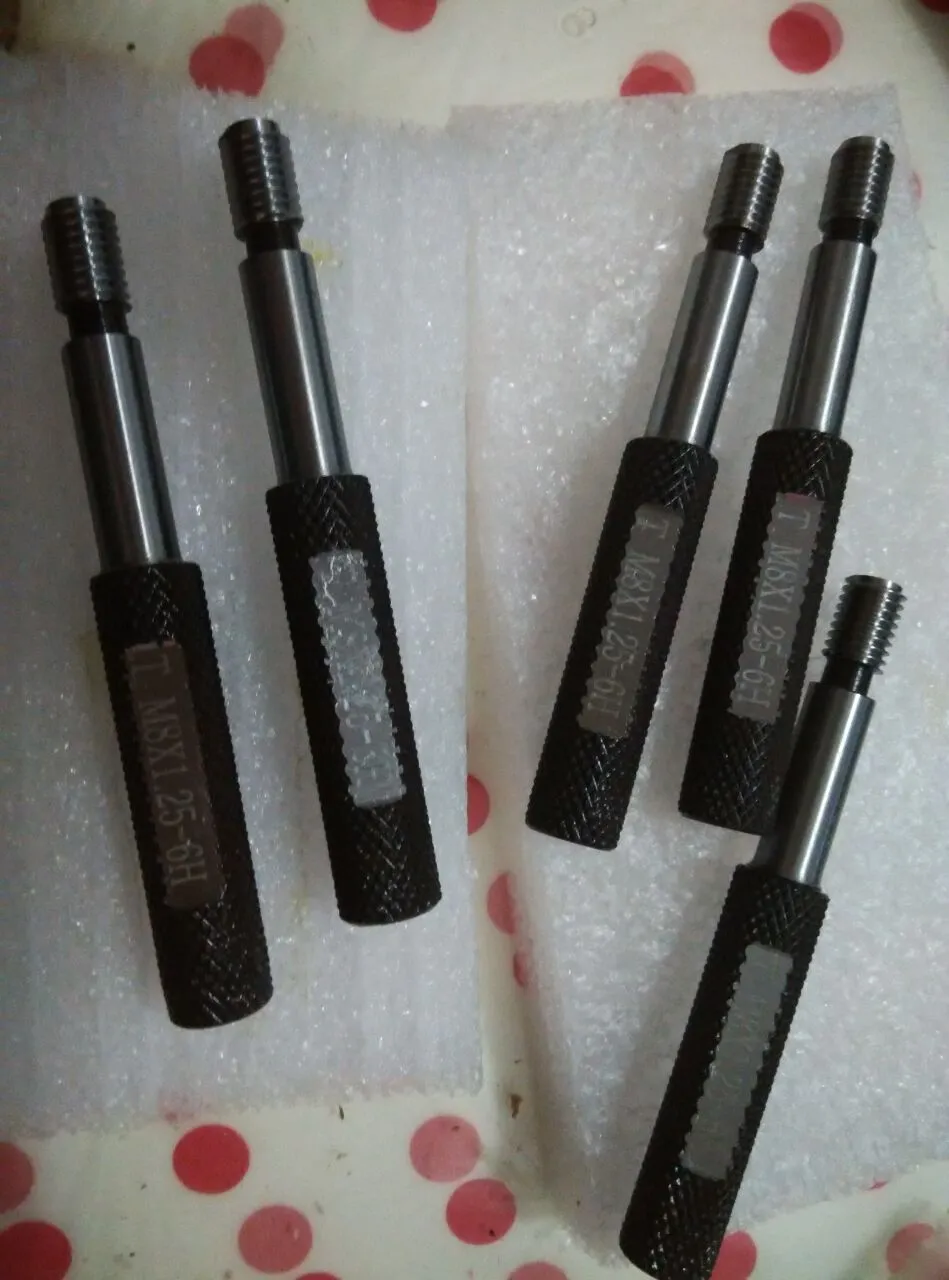
Understanding Plug Gauges Essential Tools for Precision Measurement In various engineering and manufacturing fields, precision measurement is crucial for ensuring the quality and functionality of components. One of the tools that play a vital role in this process is the plug gauge. This article delves into the concept of plug gauges, their construction, application, and significance in maintaining quality standards. What is a Plug Gauge? A plug gauge is a type of limit gauge used to check the dimensional tolerance of holes or other components. Specifically, it is designed to measure the diameter of a hole, ensuring that it meets specified tolerances. Unlike other measuring instruments, plug gauges are non-measuring tools that simply indicate whether a part is within acceptable size limits. Essentially, they serve a binary function a part either fits or it does not. Construction of Plug Gauges Plug gauges are typically cylindrical in shape and can be made from a variety of materials, including steel, carbide, or other resilient materials, depending on the application. They often come in two forms the Go and No-Go gauges. The Go gauge is designed to fit comfortably within the hole if the hole is within tolerance, while the No-Go gauge should not fit at all if the hole meets the specified requirements. The design allows for easy use on the shop floor, enabling operators to quickly assess the acceptability of parts without the need for elaborate measuring instruments. Quality assurance personnel often use plug gauges in conjunction with other measuring devices to validate the dimensional accuracy of components during the manufacturing process. Applications of Plug Gauges plug gauge Plug gauges find extensive applications across various industries, including automotive, aerospace, and manufacturing. They are essential in industries where precision is vital, such as in the production of gears, bearings, and valves. For instance, in the aerospace sector, where component reliability is paramount, plug gauges ensure that critical fittings and assemblies meet stringent regulations and standards. Any deviation from specified tolerances could lead to catastrophic failures; thus, the role of plug gauges in quality control cannot be overstated. In addition to checking hole sizes, plug gauges can also be used in the setup phase of machines, ensuring that all components fit correctly before operational testing begins. This preemptive approach can save companies time and resources by reducing the likelihood of defects in final products. Importance of Calibration and Maintenance While plug gauges are simple tools, their accuracy is dependent on proper calibration and maintenance. Over time, wear and tear can affect their dimensions, leading to inaccurate measurements. Regular inspection and calibration against certified standards are essential to ensure that plug gauges remain reliable. Users must also be aware of factors such as temperature and humidity that can affect the material properties of the gauges. Proper storage conditions, as well as adherence to usage guidelines, are crucial for maintaining their accuracy. Conclusion In summary, plug gauges are indispensable tools in the quality assurance process across multiple industries. Their straightforward design and function provide an efficient means of assessing component tolerances, thereby ensuring that products meet rigorous standards. As manufacturing processes become increasingly complex, the role of reliable measuring devices like plug gauges will continue to be vital in producing high-quality, precise components that meet the demands of modern industries. By understanding and effectively utilizing these tools, organizations can enhance their quality control measures, ultimately leading to better products and increased customer satisfaction.
about
bathroom privacy glass
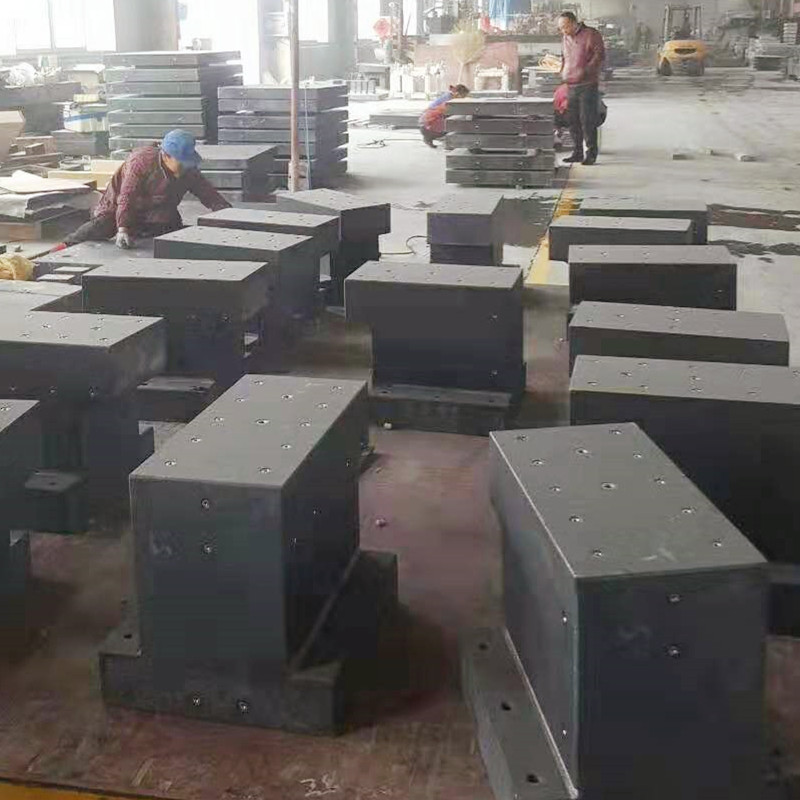
The Importance of OEM Right Angle Brackets in Modern Engineering In the world of manufacturing and engineering, the components we use often make a significant difference in the overall quality and functionality of a product. One such component that has garnered importance is the right angle bracket, particularly those produced by Original Equipment Manufacturers (OEM). These brackets are essential in providing structural support and alignment in various applications, ensuring that components remain securely in place. The Importance of OEM Right Angle Brackets in Modern Engineering One of the significant benefits of using OEM right angle brackets is their precision engineering. These brackets are designed with specific tolerances, ensuring that they fit perfectly into their designated spaces. This precision reduces the likelihood of movement or flex, which can lead to potential failures in the structure or assembly. By utilizing OEM components, engineers can have confidence that the brackets will perform as expected, maintaining the integrity of the entire system. oem right angle brackets Moreover, OEM right angle brackets are often subjected to rigorous testing during the manufacturing process. This testing ensures that they can withstand various environmental factors, such as corrosion, temperature changes, and mechanical wear. As a result, using these brackets can enhance the lifespan and reliability of the entire assembly. Companies that prioritize durability and longevity will find that investing in OEM components, such as right angle brackets, can lead to lower maintenance costs and fewer replacements over time. In addition to their functional advantages, OEM right angle brackets also play a role in aesthetics. In many applications, especially in consumer products and visible structures, the design is integral to the overall look of the finished product. OEM manufacturers often consider the visual aspect of their components, providing brackets that not only perform well but also blend seamlessly into the design of the equipment. This attention to detail can significantly enhance the appeal of a product in competitive markets. Furthermore, sourcing OEM right angle brackets from reliable suppliers can streamline the production process. Having access to high-quality components that are readily available reduces lead times and simplifies inventory management. This efficiency can be a decisive factor for companies looking to remain competitive in fast-paced industries. By ensuring a consistent supply of OEM components, manufacturers can focus more on innovation and less on logistics and part reliability. In conclusion, OEM right angle brackets are vital components that contribute to the structural integrity, durability, and aesthetic value of various engineering projects. Their precision engineering, rigorous testing, and compatibility with specific equipment make them an indispensable choice for manufacturers. As industries continue to evolve, the demand for high-quality, reliable components like OEM right angle brackets will remain essential in creating safe and effective products. For engineers and manufacturers committed to excellence, the choice is clear invest in OEM right angle brackets to ensure success in every project.
-

High quality industrial productsagement

High quality industrial products
View Details -

Meet the diverse needs of customers

Meet the diverse needs of customers
View Details -

Strict quality control

Strict quality control
View Details -

Top raw materials

Top raw materials
View Details -

Trusted supplier

Trusted supplier
View Details
Our application


news and information
Versatile Clamps for Secure Welding Table Solutions and Projects
The Importance of Welding Table Clamps in Metalworking Welding table clamps are essential tools for
Vanne d'arrêt de 4 pouces
Vanne à Globe de 4 Pouces Caractéristiques et Applications Les vannes à globe sont des éléments ess

water valves on or off
Understanding Water Valves On or Off Water valves play a crucial role in the distribution and regula
 English